Field Notes · · 5 minute read
Taste is how you charge more
Last Saturday I took the LLM Mastery stage in Chiang Mai as a Kimi Ambassador. Three superpowers of Kimi K3.1 Pro, and the one idea underneath all of them.

Field Notes · · 5 minute read
Last Saturday I took the LLM Mastery stage in Chiang Mai as a Kimi Ambassador. Three superpowers of Kimi K3.1 Pro, and the one idea underneath all of them.
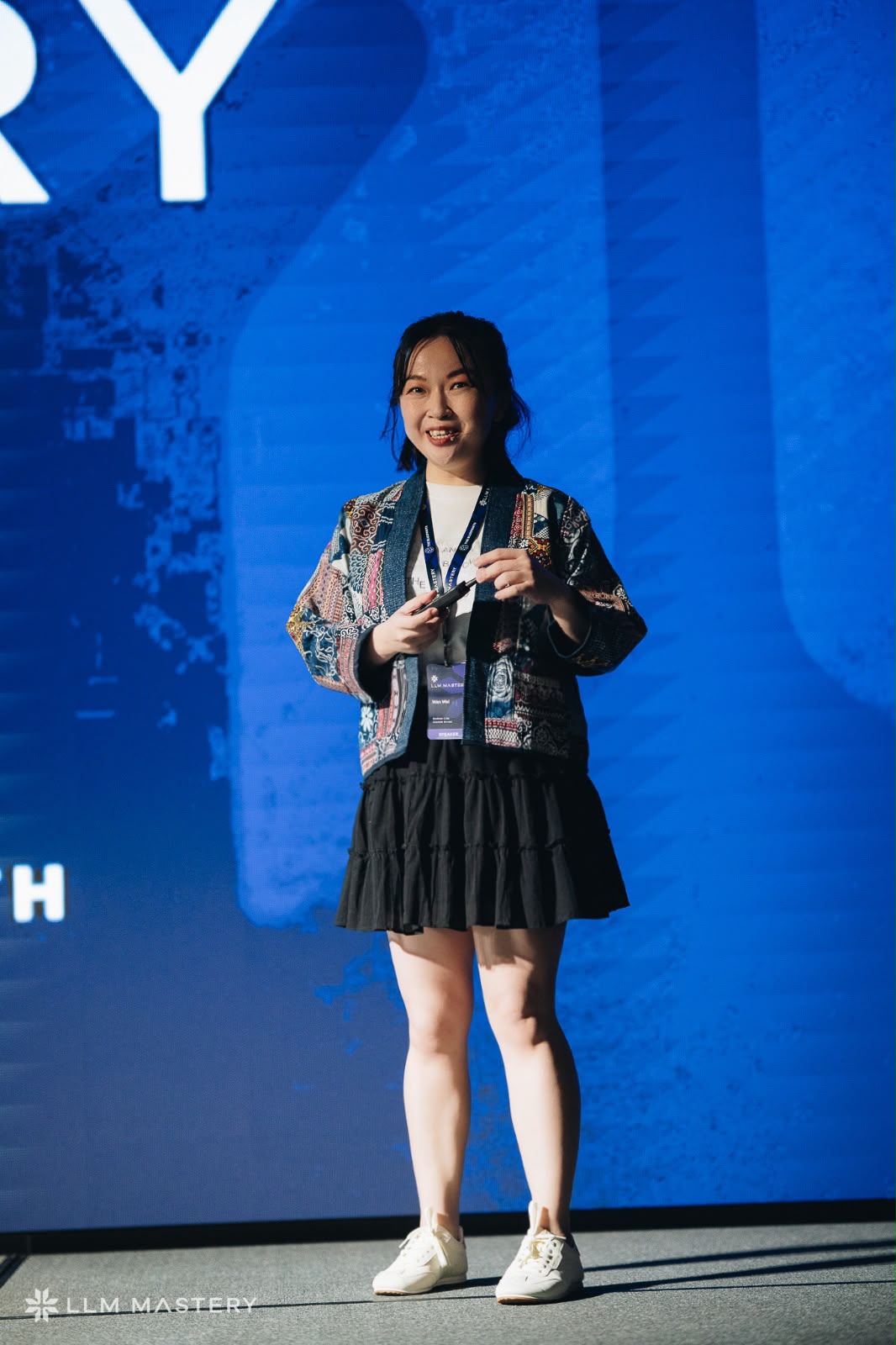
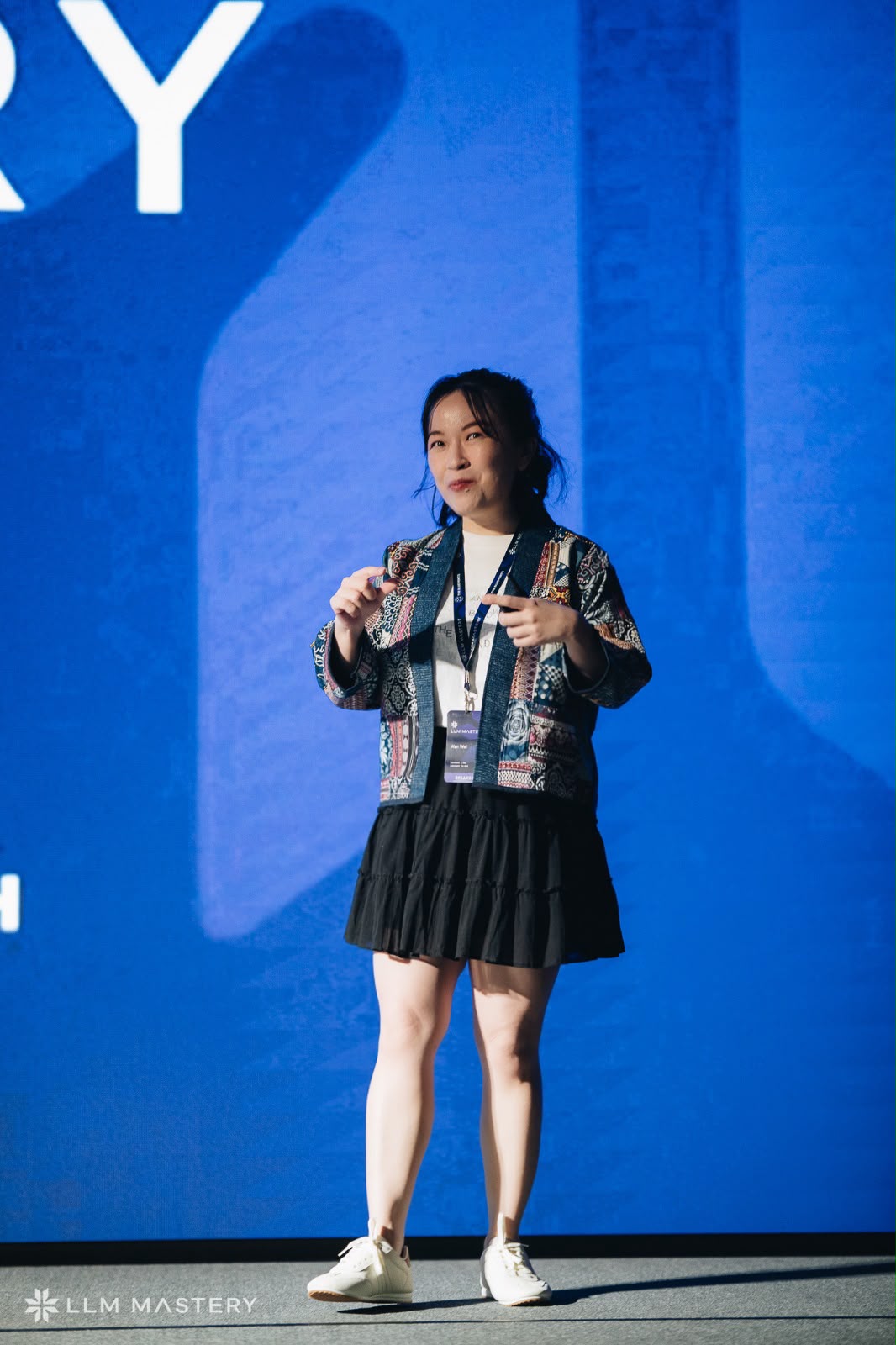
Last Saturday, 14 November, I stood on the LLM Mastery Summit stage in Chiang Mai as a Kimi Ambassador.
I didn't talk about tokens.
I didn't talk about benchmarks (ok, a little).
I talked about taste.
When every AI lab has similar computing power and similar data, what makes one model different?
Kimi's answer is taste.
Their founder, Yang Zhilin, talks about good models in terms of aesthetic sense. He calls Steve Jobs a man who could "scale taste."
You see it in the product. Kimi is built artifact-first. Ask for something and you don't get a chat reply. You get the finished thing: slides, a flowchart, a mini-game.
And for anyone running a business, this matters more than any leaderboard.
Because what looks premium can be priced premium.
Kimi K3.1 Pro came out on 23 October and now runs under every Kimi tool.
Cheap and capable is now table stakes.
So what do you do with it? Three superpowers.
Meet Aira. She's my assistant, built on Kimi Claw.
She lives where I already am: WhatsApp, in my own chat and in group chats. She runs in Kimi's cloud, so she keeps going even with my laptop closed. And she has a personality file, SOUL.md, that sets how she thinks, works and talks.
Here's her day:
Her real job? Keeping my community warm every single day, so they're ready when I launch the next programme.
She takes requests from the group. But scope changes come back to me. Someone has to stay at the helm. ⚓
Set up your own in four steps: create it in Kimi Claw, connect the chat app you already open all day, give it a soul file (who it is, how it works, what it must never do), then schedule one message. Just one. Start small.
One honest note: it runs on Kimi's cloud, so keep confidential client files out until your company has cleared it.
People will finish a game they would never finish as a form.
That's the whole trick.
Take a quiz you already run, or one people already love. Ask K3.1 Pro to turn it into a game, in one prompt: rounds, timers, challenges. Give every player a result written about them. Then put your offer on the result screen.
Three I showed on stage:
The result screen is the sales page. Nobody scrolls past a result about themselves.
This is the one I'm most excited about.
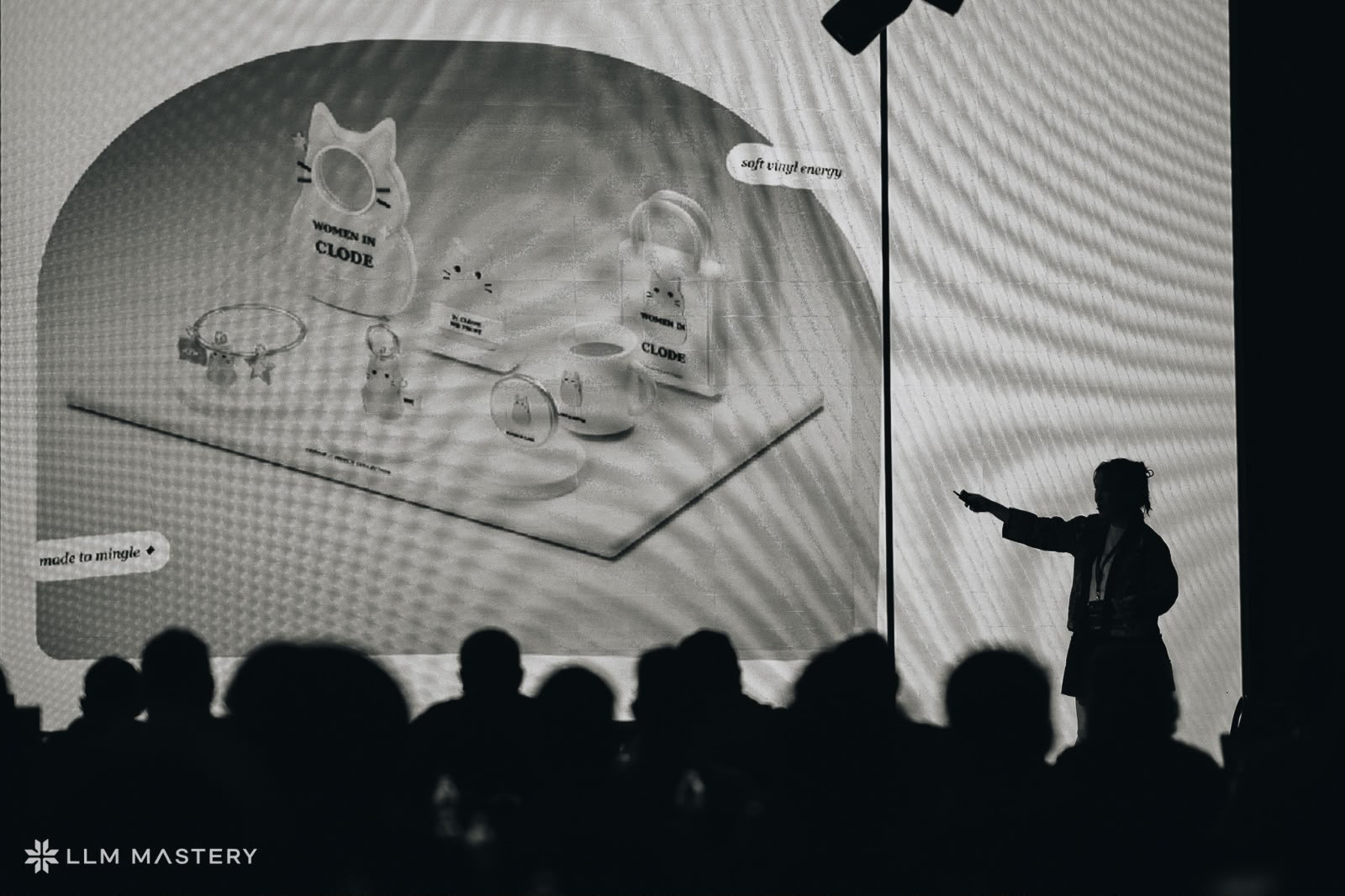
Describe it, sketch it or snap a photo. Kimi gives you a 3D model you can preview, edit, share as a link, print or export as video.
Clients buy what they can see.
Yes, I put our cat on the big screen in front of a room of LLM nerds. No regrets. 😂
The best part of any summit is never the stage.
It's dinner. It's the questions people only ask once the mic is off.
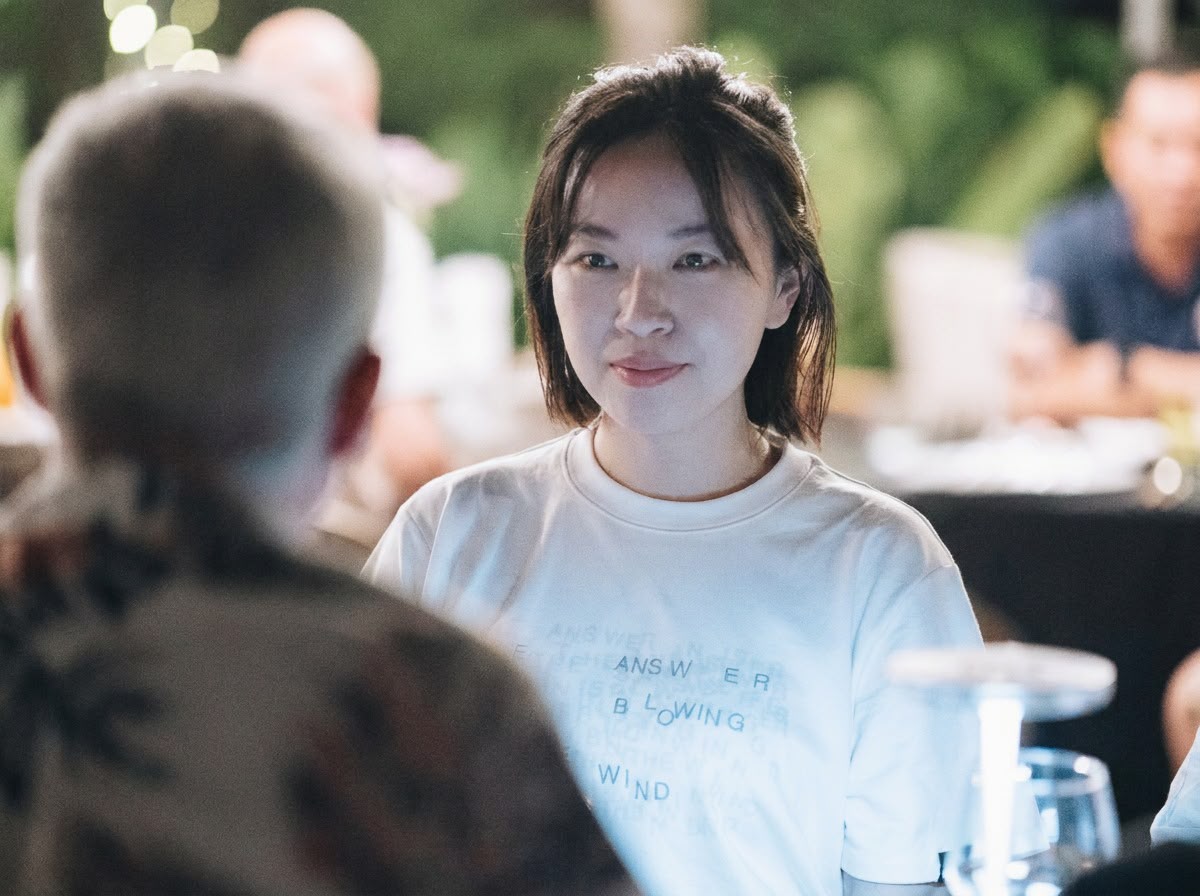

Thank you to the LLM Mastery team for having me, and to the Kimi team for trusting me with the mic. And to everyone who came up after, thank you for the questions. Keep them coming.
Pick one:
Cheap AI is everywhere now.
Taste is still scarce.
Which one will help you bill a premium? Reply and tell me. I read every one.
Wan Wei · anchrlabs.com · AI for non-techies ⚓
Keep reading
AI Economics
In the first week of November, investors sold Asian chip stocks over American politics while Korea shipped a record month of chips. An operator should read the shipments, not the share prices.
AI Economics
In five days, a reported US$50 billion pledge to Malaysia, a US$15 billion round for DeepSeek and a memory maker heading for a 78 per cent margin. The money behind Asian AI is no longer venture money, and that changes the risk an operator is buying.
AI Economics
Asia's biggest AI earners are not selling AI as a product. They sell it as a feature of something customers already pay for, and that changes how an operator should buy it.